



I know that the last thing anyone wants to hear about is another “program.” But for this one, you’ve got to hear me out.
I’ve just completed my 5th year of serving as a a bishop. One of the most effective and meaningful things we did over those 5 years was to implement a program that gives our older youth the opportunity and responsibility to become missionaries… before they become missionaries.
These youth are in Preach My Gospel every single week, and it is changing their lives. Not only is it changing their lives, but they are loving it as well!
Here’s the context and background before I get into exactly what we did as a ward. (Skip to the bottom to watch the video if you don’t like to read or don’t care about the context.)
Also, keep in mind that each ward and stake has a different situation based on unique geography or demographics. Some stakes that have reached out to me for help implementing it have decided to do so on a stake level, some on a ward level, and some hybrid. The concepts below can act as a foundation for the program, but if used, should be adapted to the needs of the ward or stake individually.
In our ward, we have families who have moved from all over the country and most of them were accustomed to having missionaries assigned to their ward. They were also accustomed to having those missionaries over for dinner or over for a spiritual thought on a semi-regular basis. Those times were precious for those families.
For us personally, it didn’t matter whether it was a green missionary or a seasoned vet, those elders and sisters brought a special spirit into our homes that was not only beneficial for our children, but beneficial for us as young parents.
But now my ward members find themselves in an area that has one pair of missionaries who cover a large geographic region and a combined two stakes. This means that “our missionaries” are spread between about 14 wards.
 The missionaries are also required to observe strict “member dinner” or “member visit” rules in their mission which is not something I experienced as a missionary or as a member of a ward in California. Ultimately, the missionaries in our stake are unable to come over to members homes for dinner unless there is an investigator or “friend” present and it has to be in the late afternoon when it is almost impossible for anyone to have dinner ready or investigators present.
The result is that the members of the ward have no idea if we even have missionaries in our ward, let alone being able to build enough trust to introduce them to their “friends.”
I believed this to be a challenge to the families in our ward and especially our youth. From personal experience, as young parents raising a family in Southern California, I can tell you that we looked forward to having the missionaries over to our house on a monthly or bi-monthly basis. My kids were able to ask questions over the dinner table and get into the lives of these missionaries without every missionary story only coming from us as their parents. As we shared a meal with these missionaries, we gained trust in them and grew to love them. We developed friendships with them that lasted beyond their missions.
Our time with the missionaries had a profound effect on our two kids. They have been presented with many opportunities in life. Many of which could have taken them away from serving a mission. When we ask them what they want to do with their life, they have no idea… aside from one thing. The one thing they are certain of… without any coaxing from us, is that they wanted to serve a mission.
I believe that much of that has to do with the interactions they had in our home with missionaries in California over the years. The dinner discussion. Getting to know the missionaries. Sticky notes of encouragement left on the bathroom mirror. Hearing testimonies of the work. And hearing spiritual thoughts in a way that only “set apart” missionaries can give them. Nervous, humble, full of love, and even a slight missionary drawl. You know what I’m talking about.
 As a once young missionary myself, I know that some of my most important work was done in the homes of our members. I was able to build trust and gain more referrals. I was able to establish friendships and change the mood of a home. I was able to bring lessons and teachings that might have been dormant for months. And most of all, I was able to see the primary children and youth of those families beam with excitement when we came in the front door. But today, for the youth and families in my ward, those experiences have all but vanished.
So… I figured that if we weren’t able to have the full time missionaries bring that missionary spirit into our homes, why not try to recreate those experiences within our ward itself. I believe that some of our most important “investigators” can be found within the walls of our own homes and among the families who are already in the ward… and yet so we often overlook them. In short, the most impressionable investigators I know are 8-18 years old, already sitting in sacrament meeting, and yet to develop a testimony of their own.
Imagine if just one primary aged child or young man or young woman in the ward is influenced by a full time missionary in a way that causes them to go on a mission who might not have otherwise decided to serve. It may not count as a baptism now/today, or show up in the numbers at a zone conference, but it might mean thousands of baptisms in another country a few years hence.
(In the business world, we know that it is often much more productive to strengthen and invest in those within the company so that we don’t lose them. That concept could not be more true than when it pertains to the upcoming generation of our wards and stakes.)
Just before we implemented this program, we had just undergone a major boundary realignment where I lost about 85% of the previous ward. When I’d have tithing declaration with members, one of the most common complaints was the members feeling a “lack of connection” to other ward members. They didn’t know the youth, the youth didn’t know the more senior members, and there wasn’t a whole lot of ministering going on.
On top of that, I had been perpetually worried about the missionaries who would go out to serve. Just coming out of COVID, it was difficult on the outgoing Elders and Sisters. I watched some of the youth struggle in mission prep to articulate themselves or gain the confidence to teach a lesson. They had lots of anxiety talking to adults and were rarely challenged by others regarding their beliefs.
So… I tried to think of a solution that would improve each of the problems our ward was facing.
Here’s what we did:
Ward Missionary Plan
First I met with one of the most dynamic and faithful teachers in the ward. His name is Hunter Maxfield and I called him to be our Ward Mission Leader. When we met, I told him that in addition to leading the missionary work in the ward, that I also had something else that I wanted him to work on. I told him that we were going to call a good number of ward missionaries, but not just any ward missionaries. We called some of our most mature priest age young men and 16-18 year old young women as ward missionaries. We sustained them in church and set them apart. Each of them were so excited to have the calling.
Next, I told Hunter that I didn’t want him to see himself as a traditional ward mission leader, but as a mission president over these youth missionaries in our ward. I asked him to meet with these ward missionaries every week as a group for a few minutes after Church to help them learn how to teach directly from the scriptures and Preach My Gospel.
As a ward council we prioritized the youth and these youth ward missionaries. We identified families that would benefit from a “visit” from the missionaries starting with those families that had primary age and youth aged kids in the family. Once we had the families identified, Hunter then organized the ward missionaries into companionships with the young men together and the young women together. Hunter would then schedule appointments after Church for these missionaries to come and teach a short lesson based on the lessons out of Preach My Gospel.
The result was astounding. Our youth missionaries had the opportunity to stand on the doorsteps of people whom they didn’t know very well. They got to experience that anxiety that everyone feels during the first 2 months of their mission while knocking on doors or talking to strangers. They got to go into homes and teach people about Jesus Christ and the Restoration. And the growth that took place in these youth was exponential.
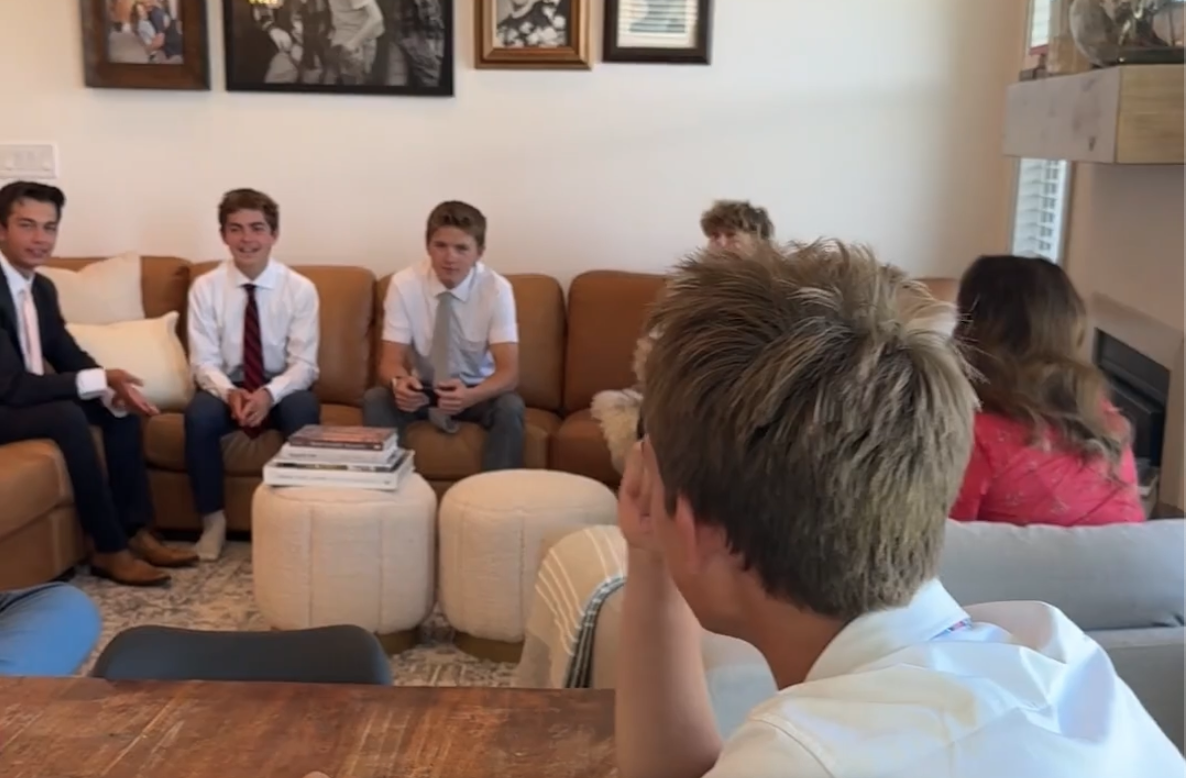
One of the young women in the group attended Mission Ready EFY a few months after becoming a ward missionary in our ward and shared her experience when she got back. She said that “most of the other youth at Mission Ready EFY were afraid to talk to people and were unsure what to do. But I knew exactly what to do because I had already been doing all of these things for months already in our ward!”
Other youth ward missionaries made miraculous improvements in every area. Their anxiety decreased. Their ability to talk to adults increased. Their testimony grew. And their confidence in themselves and in God blossomed!
Today, these young men and young women are scheduling the lessons on their own. The older youth help the younger youth and there are senior and junior companions.
But the benefits didn’t stop with just these young men and young women. The families who welcomed these ward missionaries report feeling more connected to the ward. They got to know these older youth and became friends with them. The younger primary kids and younger youth looked up to these noble young missionaries and the parents swelled with the spirit that was brought into their homes. These ward missionaries have in a way, become a welding link between families and a central focus of the ward council. They are growing in ways never imagined and it’s increasing the probability of them not only going on a mission but thriving on a mission.
If a young man or young woman goes on a mission but has a hard time adjusting or seeing success, it increases the chances of them coming home early or going inactive after they return home. The goal is to help them hit the ground running when they get to the mission field. We want them to have the best possible experience on their mission.
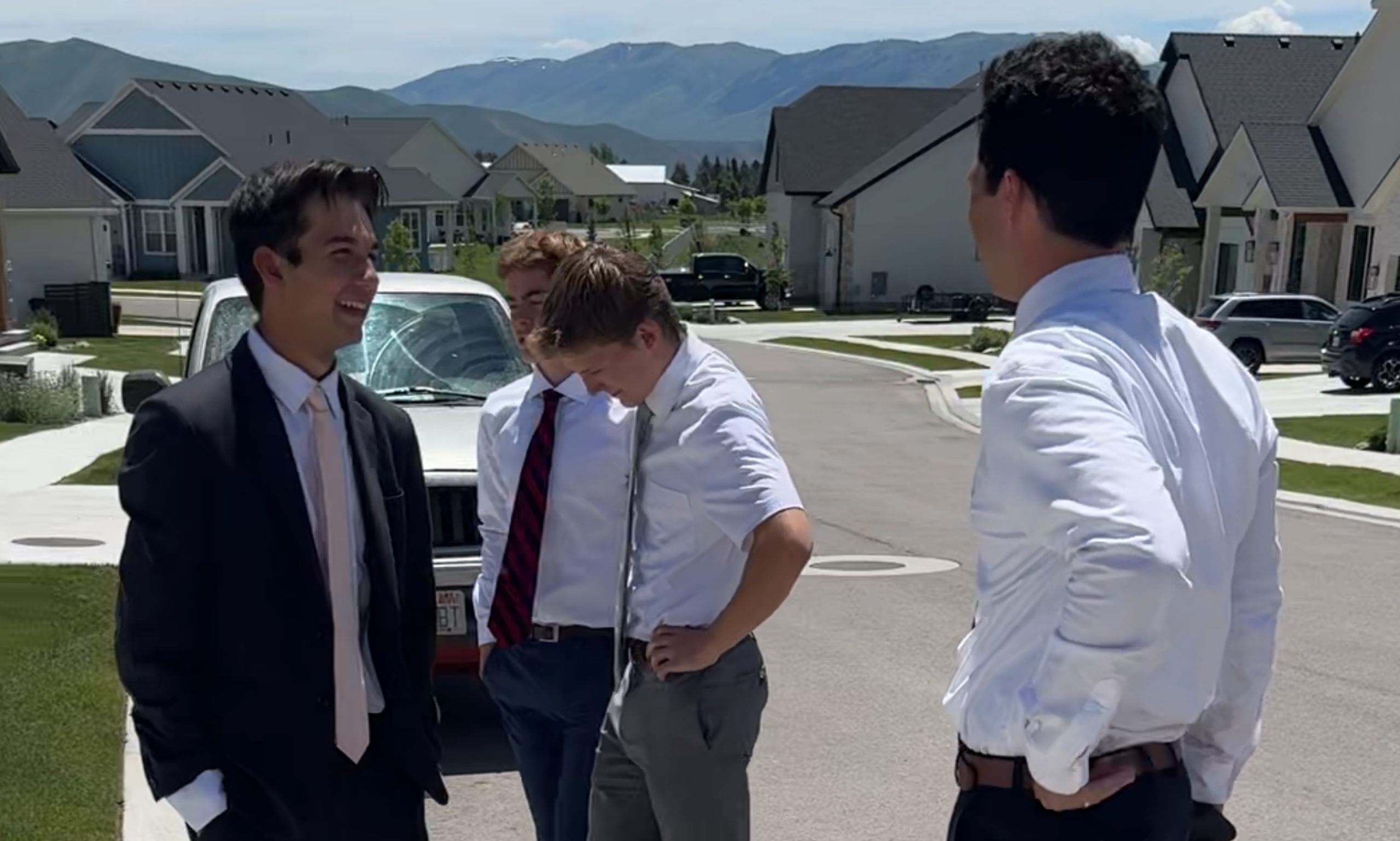
They are in homes planting seeds of excitement for the gospel in younger youth and primary kids. They are rekindling the flame of faith in adults. We often fail to realize how much the members of a ward need the basic lessons and core doctrine to be taught in their home. Parents sometimes get in a rut. Come Follow Me isn’t always being done. And even good parents need good mentors other than themselves to come into the home and shine a light.
This is just the framework for one ward in our own unique circumstances. Each ward and stake is different, and there are so many variations on this framework that could be implemented to meet your own ward and stake requirements.
I am no one to give advice on programs to implement, but enough ward and stake leaders have asked me about what we’re doing, so I decided to write it down here as a reference.
Hope it helps!


What a fabulous example of a leader listening to and following promptings to change things up and make a huge difference! Well done!!
I really like this idea and feel it could help my ward. What does this plan look like in missionary coordination meetings? What is the ward mission leader’s involvement and other adult members of the missionary coordination meetings?
We have struggled to bring meaningful reports back from our coordination meetings through Elders Quorum/Relief Society/Primary presidency meetings that can then be brought up in ward council and given back to support out ward missionary efforts. How does reporting look like in your ward?